%2Ffit-in%2F250x250%2Fguide_websites%2F122125%2Fimages%2F1774395070125gemini_generated_image_un0927un0927un09-removebg-preview.png&w=1920&q=100)
/users/c3f8c7c8-abca-410a-82ef-eee63335a442/ratecard/496096575_122142128378624565_2673587805206742981_n-mn57zth9.jpg)
%2F300x300%2Fusers%2Fc3f8c7c8-abca-410a-82ef-eee63335a442%2Fratecard%2F496096575_122142128378624565_2673587805206742981_n-mn57zth9.jpg&w=256&q=75)
%2F300x300%2Fusers%2Fc3f8c7c8-abca-410a-82ef-eee63335a442%2Fimages%2Ffishing-sonar-display-zavalla-texas-2690.jpg&w=256&q=75)
%2F300x300%2Fusers%2Fc3f8c7c8-abca-410a-82ef-eee63335a442%2Fimages%2Ffishing-boat-sonar-electronics-setup-2585.jpg&w=256&q=75)
%2F300x300%2Fusers%2Fc3f8c7c8-abca-410a-82ef-eee63335a442%2Fimages%2Ffishing-boat-motor-zavalla-texas-2617.jpg&w=256&q=75)
%2F300x300%2Fusers%2Fc3f8c7c8-abca-410a-82ef-eee63335a442%2Fimages%2Flowrance-sonar-zavalla-structure-fishing-2555.jpg&w=256&q=75)
%2F300x300%2Fusers%2Fc3f8c7c8-abca-410a-82ef-eee63335a442%2Fimages%2Fsonar-screen-zavalla-texas-fishing-2317.jpg&w=256&q=75)
%2F300x300%2Fusers%2Fc3f8c7c8-abca-410a-82ef-eee63335a442%2Fimages%2Fsonar-fish-mark-zavalla-texas-2785.jpg&w=256&q=75)
%2F300x300%2Fusers%2Fc3f8c7c8-abca-410a-82ef-eee63335a442%2Fimages%2Fbass-fishing-zavalla-texas-sunset-2853.jpg&w=256&q=75)
%2F300x300%2Fusers%2Fc3f8c7c8-abca-410a-82ef-eee63335a442%2Fimages%2Fbass-catch-zavalla-texas-fishing-2795.jpg&w=256&q=75)
%2F300x300%2Fusers%2Fc3f8c7c8-abca-410a-82ef-eee63335a442%2Fimages%2Ffishing-tournament-champions-zavalla-texas-2603.jpg&w=256&q=75)
%2F300x300%2Fusers%2Fc3f8c7c8-abca-410a-82ef-eee63335a442%2Fimages%2Fzavalla-texas-bass-tournament-catch-2828.jpg&w=256&q=75)
Lake Sam Rayburn Full Day Bass Trip Texas
 Sam Rayburn
What you will be catching:
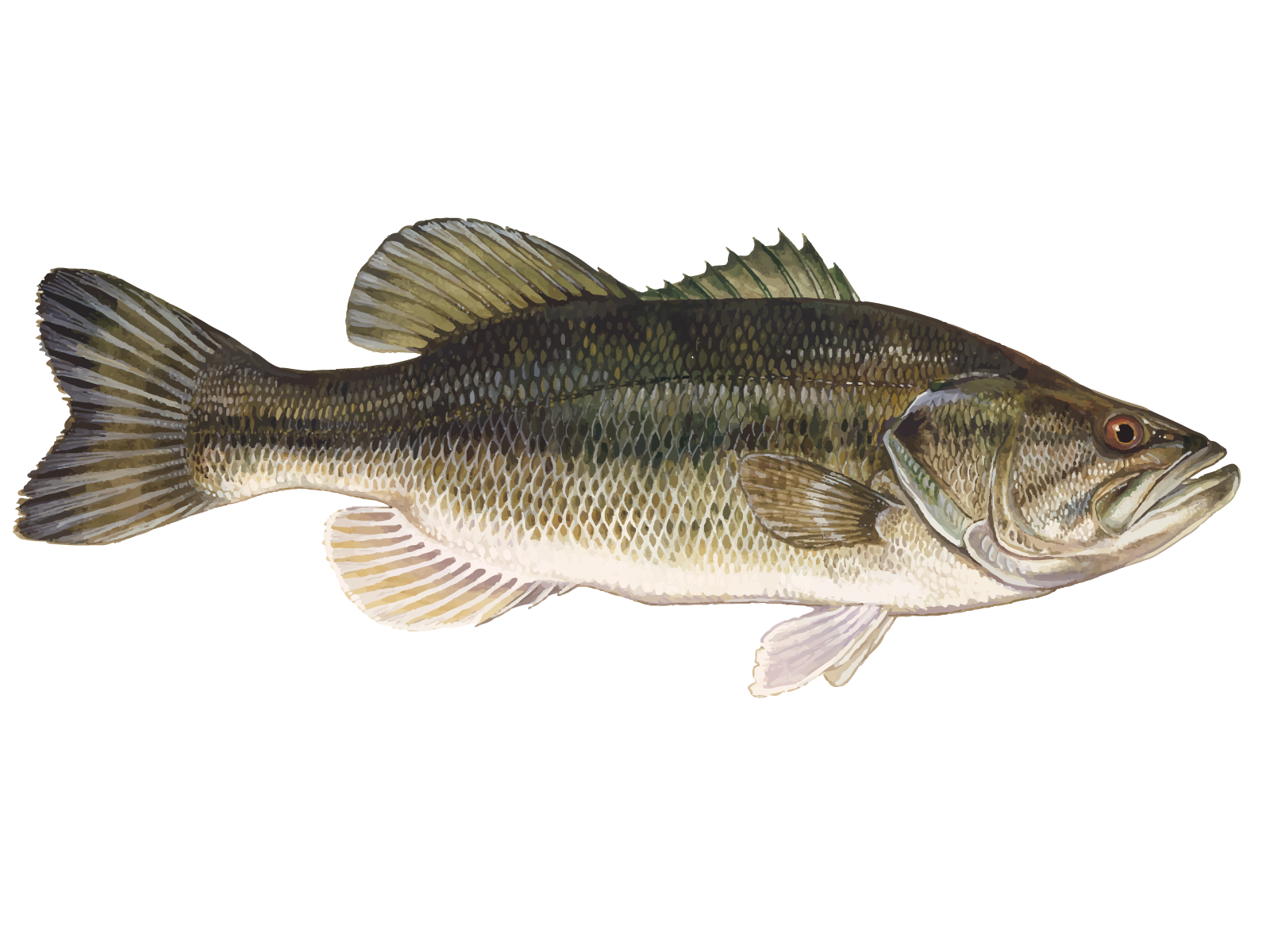 Largemouth Bass
 Spotted Bass
- This full-day bass fishing trip on Lake Sam Rayburn gives you eight solid hours to target both largemouth and spotted bass in one of Texas's premier fishing destinations. We'll pick you up at 7 AM in a well-equipped 21' Triton bass boat with all the gear you need
- quality rods, reels, and a full tackle selection. Whether you're just starting out or fish tournaments regularly, I'll work with you to find the fish using current patterns and local knowledge of the lake. The trip handles up to two anglers, so it's perfect for friends or family who want focused time on the water. Just bring your Texas fishing license, some sunblock, and water for the day.
Trip Pricing and Availabilities:
Sam Rayburn Full Day Guided Bass Fishing Trip
If you're serious about bass fishing in East Texas, Lake Sam Rayburn is where you want to be. This massive 114,500-acre reservoir has earned its reputation as one of the top bass fishing destinations in the state, and for good reason. With Caden Williamson Fishing, you'll spend eight full hours on the water targeting both largemouth and spotted bass from a professional-grade 21' Triton bass boat. Whether you're a weekend warrior looking to up your game or a tournament angler scouting new water, this full-day trip gives you the time and expertise needed to really dial in on what Sam Rayburn has to offer.
What to Expect on the Water
Your day starts at 7:00 AM sharp – prime time when the bass are most active and the lake hasn't heated up yet. The early morning bite on Sam Rayburn can be absolutely phenomenal, especially during those cooler months when the fish are feeding heavily in the shallows. You'll be fishing from a fully-rigged Triton that's built for serious bass fishing, complete with all the electronics you need to locate structure and schools of fish. The boat comes loaded with high-quality rods, reels, and a full arsenal of lures – everything from topwater baits for those explosive morning strikes to deep-diving crankbaits and Texas-rigged soft plastics for when the fish move offshore. This isn't a bring-your-own-tackle situation; we've got you covered with proven lures that work consistently on this lake. All you need to bring is a valid Texas fishing license, some non-spray sunblock, polarized sunglasses, and plenty of water to stay hydrated during your eight hours on the reservoir.
Techniques & Lake Knowledge
Sam Rayburn's diverse structure makes it a bass angler's dream, but it also means you need to know where to look and what techniques to use throughout the day. The lake features everything from shallow grass flats and cypress trees to deep creek channels and submerged timber. During the warmer months, we'll often start the morning working topwater baits around shallow cover, then transition to deeper structure as the sun climbs higher. The key to consistent success here is reading the conditions and adapting your approach. Some days the fish want fast-moving reaction baits like spinnerbaits and chatterbaits, while other times a slow presentation with a Texas rig or drop shot is what seals the deal. The beauty of an eight-hour trip is having time to work different patterns and locations. We might spend the morning fishing grass lines in the mid-lake area, then run to timber-filled coves or creek channels in the afternoon. Local knowledge is everything on a lake this size – knowing which points hold fish during different seasons, which grass beds are most productive, and how weather patterns affect fish behavior. That's what you're really paying for with a guided trip: decades of experience condensed into one productive day on the water.
Top Catches This Season
Lake Sam Rayburn consistently produces quality bass, with largemouth averaging 2-4 pounds and plenty of opportunities for fish in the 5-7 pound range. The lake's healthy forage base of shad, bluegill, and crawfish keeps the bass fat and aggressive. Spring and fall are particularly productive times, with fish staging in predictable patterns during the spawn and again when they're feeding heavily before winter. Summer fishing can be fantastic too, especially early and late in the day when we're working deeper structure and taking advantage of low-light conditions. The spotted bass population has really taken off in recent years, adding another exciting element to the fishing. These spots are scrappy fighters that often school up in deeper water, providing consistent action when the largemouth bite slows down. Don't be surprised if you end the day with a mixed bag of both species and some solid numbers to go with a few quality fish that'll make for great photos.
Species You'll Want to Hook
Largemouth bass are the main attraction here, and Sam Rayburn's population is as healthy as they come. These fish have access to incredible structure diversity, from shallow grass beds where they ambush prey to deep timber where they suspend and feed on schools of shad. The average size has been trending upward over the past few years, with more and more anglers reporting catches in the 4-6 pound range. Peak times for largemouth are typically spring and fall when they're most active, but summer patterns can be just as productive if you know where to look. During the spawn, usually March through May, these fish move shallow and become very aggressive, making for some of the most exciting fishing of the year. What makes largemouth so appealing to anglers is their willingness to hit a variety of baits – from explosive topwater strikes that'll get your heart pumping to subtle bites on finesse presentations that require skill and patience to detect.
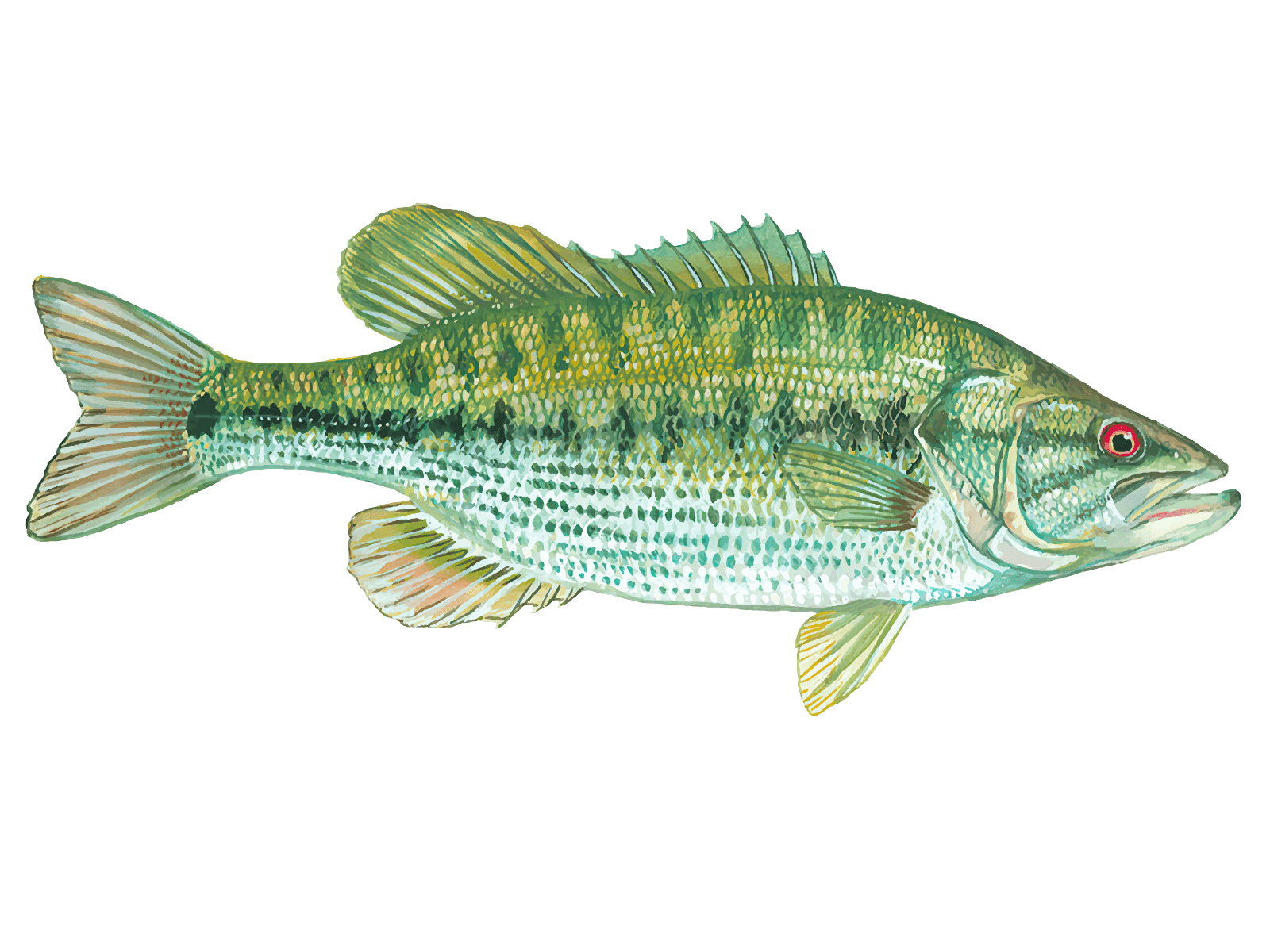
Spotted bass have become increasingly abundant in Sam Rayburn, and they're quickly becoming a customer favorite. These fish are typically smaller than largemouth, averaging 1-3 pounds, but they make up for size with pure fight and numbers. Spots tend to school up more than largemouth, especially around deeper structure like creek channels, points, and submerged timber. Once you locate a school, it's not uncommon to catch 15-20 fish from the same spot. They're also less affected by weather fronts and fishing pressure, making them a reliable backup plan when the largemouth bite gets tough. The best part about spotted bass is their year-round consistency – they don't seem to have the same seasonal mood swings as largemouth, staying active even during the dog days of summer and the coldest winter months. They're particularly fond of reaction baits like small crankbaits, spoons, and hair jigs, and watching a school of spots compete for your lure is something every angler should experience.
Time to Book Your Spot
A full day on Lake Sam Rayburn with professional guidance is an investment in your bass fishing education that
Learn more about the species
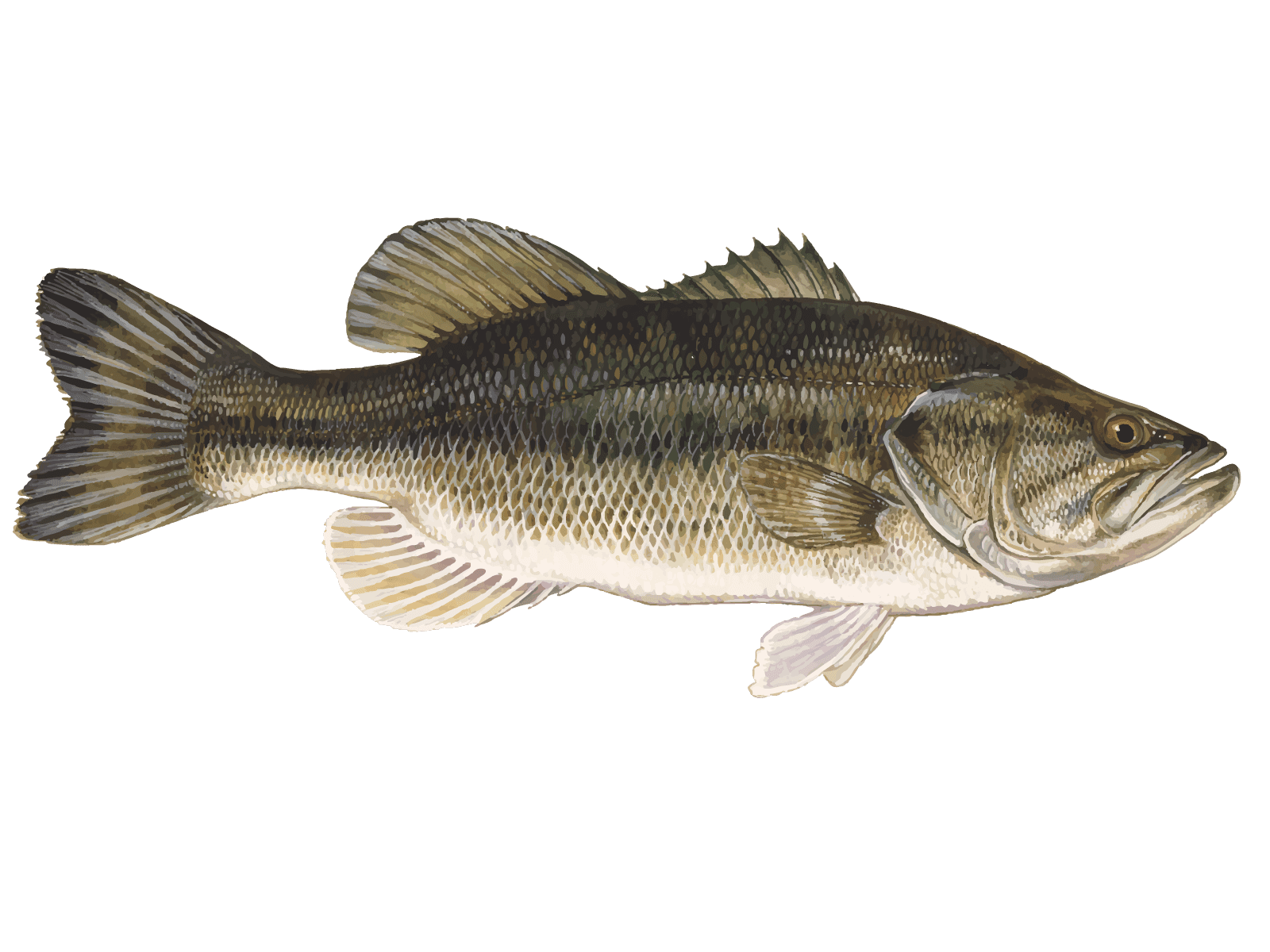
Largemouth Bass
The largemouth is what most folks think of when they hear "bass fishing." These green fighters typically run 12-24 inches and 1-4 pounds in Rayburn, though we see plenty bigger. You'll recognize them by that massive mouth that extends past their eye when closed. They love hanging around submerged timber, grass lines, and creek channels in 5-15 feet of water. Spring through fall are prime time, especially when water temps hit 60-75 degrees. What makes them special is that heart-stopping strike and the way they jump when hooked - pure adrenaline. They're also solid eating if you keep a few. Here's a local tip: when fishing our deeper creek bends, throw a Carolina-rigged worm about 10 feet past where you think they're holding. They often sit just off structure waiting to ambush.
Spotted Bass
Spotted bass are the scrappy little cousins that pack a serious punch. Usually smaller than largemouth at 12-18 inches, but they make up for it with pure fight. Look for the connected dorsal fin and those dark spots running along their sides - that's your spotted bass. In Rayburn, they school up around rocky points, gravel bars, and deeper structure in 15-25 feet of water. They're most active in cooler months when water temps drop below 70 degrees. What guests love is how they dive deep and battle like a fish twice their size - no jumping, just pure bulldogging power. They school more than largemouth, so catch one and you'll likely find more. Pro tip: when you locate a school on your electronics, drop a small jig or dropshot rig right on top of them. They're aggressive and will usually bite quickly.
About the Caden
%2F%2Fusers%2Fc3f8c7c8-abca-410a-82ef-eee63335a442%2Fvehicle_picture%2F480460194_599426296413845_7262226580751570670_n1-mn578qxp.jpg&w=1920&q=75)
Vehicle Guest Capacity: 2
Manufacturer Name: Mercury
Maximum Cruising Speed: 60
Number of Engines: 1
Horsepower per Engine: 250